Maintenance · 2026-09-27 · 8 min read
How to Clean and Maintain Stainless Steel Restroom Fixtures Without Damaging the Finish
Most stainless steel care problems come from what is left on the surface: concentrated cleaner, dirty rinse water, abrasive grit or a cloth that moves contamination from one fixture to the next.
Article Topics
Begin with the finish record
Before choosing a cleaner, identify what is actually installed. Brushed stainless steel, polished stainless steel and decorative coated finishes should not be treated as interchangeable. The handover file should record the model and finish; if it does not, ask the supplier before testing an aggressive product.
Set aside a discreet test area. Apply the proposed cleaner at the intended dilution and dwell time, rinse it and inspect after drying. A product that looks harmless while wet may leave a haze or change the sheen once the surface is dry.
The manufacturer of the cleaning chemical should state where the product can be used. Facilities teams should follow both that guidance and the fixture supplier's care instructions rather than relying on color, fragrance or a general 'bathroom cleaner' label.
Use a repeatable daily sequence
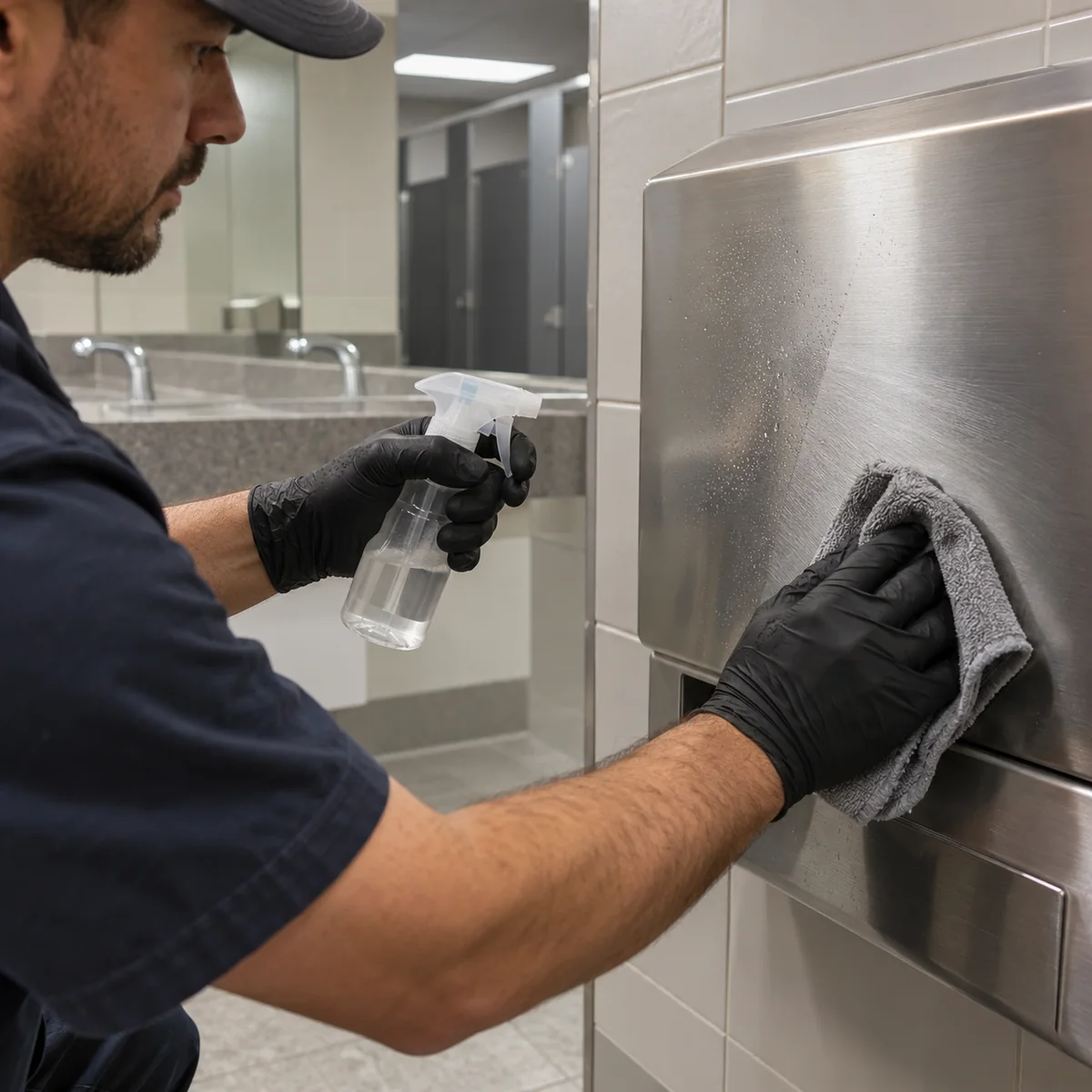
Remove loose grit first so it is not dragged across the metal. Apply a suitable diluted cleaner with a soft cloth, working with the grain on brushed surfaces. Pay attention to rim undersides, tap bases and drain surrounds, where residue can stay after the broad face has been wiped.
Rinse with clean water when the product instructions require it, then dry with a separate cloth. Drying is not cosmetic busywork: it removes droplets that can leave mineral traces and makes it easier to see whether soil remains.
Use clean tools for stainless fixtures. A pad or brush previously used on another metal can transfer particles that later appear as rust-colored spots. Color-coded cloths and a simple replacement schedule are inexpensive controls.
Avoid shortcuts that create permanent work
Steel wool, harsh abrasive powders and dirty scouring pads can scratch the finish and embed contamination. Strong chloride products and acidic cleaners can also cause damage when they are unsuitable, over-concentrated or left on the surface. Never mix cleaning chemicals.
Do not leave wet cloths, chemical bottles or metal tools sitting in a bowl. The contact area stays damp and can trap residue. In utility rooms, this is a common cause of marks that are blamed on the fixture even though the surface was used as storage.
For decorative colored finishes, be especially conservative. The stainless steel surface finish guide explains why the desired appearance and the planned maintenance method should be reviewed together before purchase.
Treat an unusual mark as evidence
When a stain appears, photograph it before scrubbing. Record the room, fixture, date, cleaning product and whether nearby units show the same mark. A pattern around drains suggests a different cause from scattered points on a vertical panel.
Start with the least aggressive compatible method. If the mark remains, ask for technical guidance and provide clear photographs. Randomly escalating to stronger products can erase the evidence and turn a removable deposit into finish damage.
Check the environment as well as the fixture. Leaking dispensers, masonry dust, grinding work, salty air and overspray from tile cleaning can all affect nearby stainless steel.
Make maintenance part of procurement
Ask the facilities team what they already use and how often they clean. If the proposed finish needs a completely different routine, include training, storage and labeling in the handover plan. A finish that cannot be maintained with the site's real resources is not a practical specification.
Keep a short care sheet near the cleaning store: approved products, dilution, cloth type, rinse requirement and a contact for reporting damage. This is more useful during a busy shift than a thick manual stored in another office.
To align fixture selection with the cleaning plan, contact Honze with the project environment and preferred finish.
Related Categories
Request a Quote
Looking for stainless steel sanitary ware for a commercial bathroom or public restroom project? Contact Honze Stainless Steel Products to discuss product models, dimensions, finishes and custom requirements.
Request a Quote for Your Commercial Bathroom ProjectRelated Products
Product models mentioned for project comparison
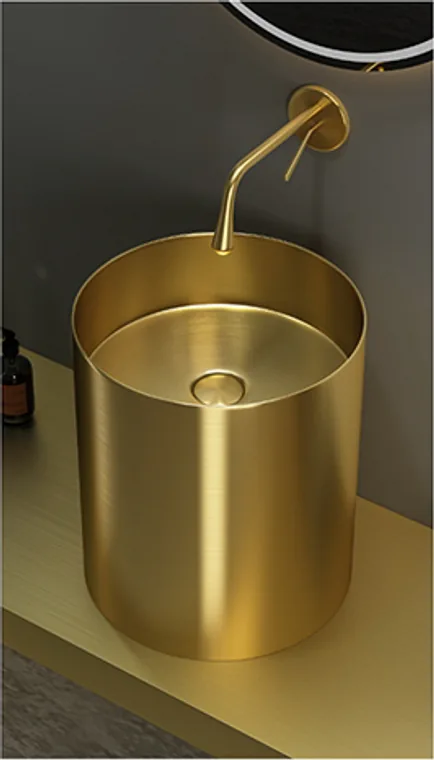
8702-1 Gold Thin-Rim Round Pedestal Basin
400 × 400 × 400 mm
Model 8702-1 is a gold thin-rim round stainless steel pedestal basin sized 400 x 400 x 400 mm, suitable for commercial washrooms and hospitality bathrooms and for compact vanity planning.
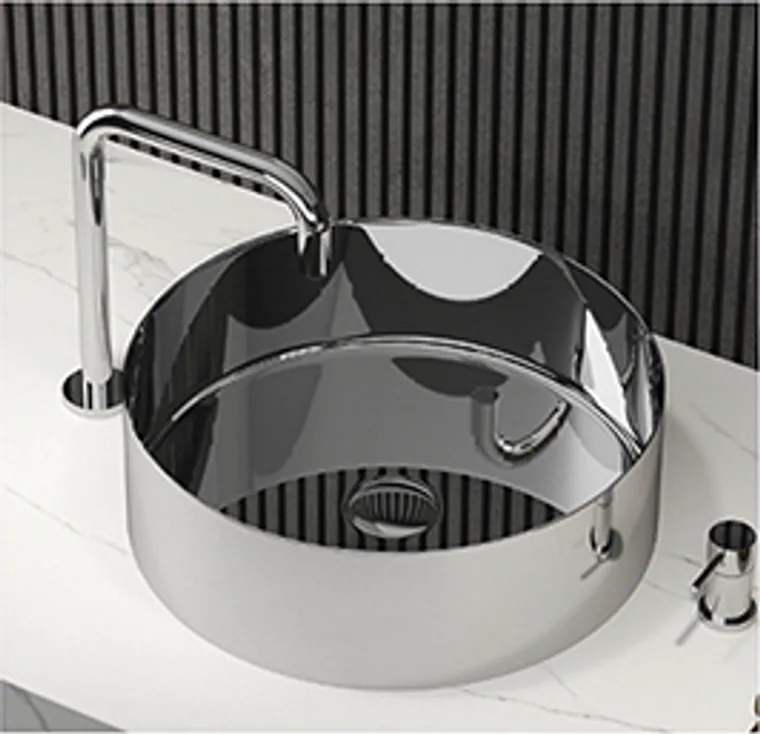
8802-chrome Chrome Deep Bowl Countertop Basin
400 × 400 × 120 mm
Model 8802-chrome is a 400 x 400 x 120 mm stainless steel countertop basin using a deep bowl form for project washroom specification and for fixture replacement schedules.
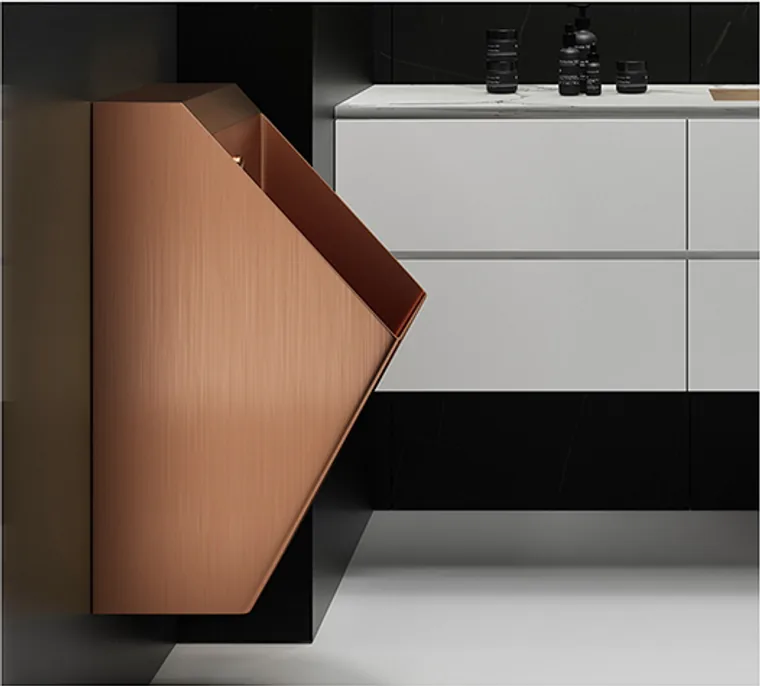
8101 Gold Outdoor Urinal
295 × 300 × 400 mm
Model 8101 is a 295 x 300 x 400 mm stainless steel urinal using a outdoor form for project washroom specification and for drawing-based project review.
Related Articles
More buying guides for this topic
Material Selection
How to Choose Surface Finishes for Stainless Steel Bathroom Products
Surface finish selection should balance design intent, cleaning frequency, scratch visibility, lighting conditions and product category.
Material Selection
Stainless Steel vs Ceramic Sanitary Ware: Which Is Better for Commercial Bathrooms?
Commercial bathroom buyers should compare stainless steel and ceramic by traffic level, maintenance access, impact risk, replacement cost and installation method.
Buying Guides
Best Stainless Steel Bathroom Products for High-Traffic Facilities
Airports, schools, malls, stadiums and parks need restroom products that can handle constant moisture, cleaning, queue pressure and repeated public use.
FAQ
Can steel wool be used on stainless steel restroom fixtures?
It should generally be avoided because it can scratch the finish and transfer contaminating metal particles.
Should brushed stainless steel be wiped with the grain?
Yes. Following the visible grain helps maintain an even appearance and reduces obvious cross-scratches.
Why should a cleaned fixture be dried?
Drying removes droplets and residue, reduces visible mineral marks and makes remaining soil easier to identify.
How should a new cleaner be introduced?
Confirm compatibility, test a discreet area at the intended dilution and dwell time, rinse, dry and inspect before wider use.