Buying Guides · 2026-07-07 · 8 min read
How to Specify Stainless Steel Sanitary Ware for Public Restroom Projects
Public restroom specification should connect fixture type, wall support, drainage position, cleaning access and expected traffic before a model is confirmed.
Article Topics
Start with the restroom duty, not the product photo
A public restroom specification has to survive daily use
A public restroom fixture schedule should begin with the building type, traffic level and maintenance routine. A wash basin that looks acceptable in a private bathroom may create cleaning gaps, drainage conflicts or replacement problems in a school, station, stadium or park toilet block.
For project buyers, the lowest unit price is not always the best reference point. Installation method, cleaning access and replacement cost should also be reviewed before confirming the model. Stainless steel is often shortlisted because it handles moisture, frequent cleaning and repeated public use better than many decorative materials.
A practical shortlist can begin with stainless steel sanitary ware products, then narrow by fixture family, site layout and service access. This avoids mixing domestic-style decorative items with commercial restroom fixtures that need stronger installation logic.
Define the fixture groups in the project scope
Separate hand washing, urinal, toilet and service areas
Most public restroom projects need several fixture groups. Hand washing areas may use wall-hung basins, pedestal basins or countertop basins. Male restroom zones may require wall-hung or trough-style urinals. Public toilet blocks may include squatting pans, accessible fixtures, mop sinks and outdoor wash points.
Buyers should review whether each zone needs a standard model or a custom size. For hand washing points, compare wall-hung stainless steel basin options and stainless steel pedestal basin options. For toilet areas, include stainless steel squatting pans where the project design calls for squat toilets.
The scope should also identify service rooms. A janitor area may need a mop sink or washing trough, while outdoor toilet blocks may need fixtures with simple edges and accessible drainage. Omitting these secondary areas often creates late-stage purchasing changes.
Check material, thickness and exposed edges
The visible shape is only one part of the specification
Stainless steel sanitary ware should be reviewed for material grade, sheet thickness, welding quality, edge treatment and exposed corners. The buyer does not need to over-specify every factory process, but the quotation request should make clear whether the fixture is for light commercial use, high-traffic public toilets or more demanding anti-vandal areas.
If the restroom is open to the public for long hours, the easier-to-clean structure may be more valuable than a more complex decorative design. Flat surfaces, open access around drainage points and fewer hidden gaps can reduce the work for maintenance teams after installation.
Where misuse is possible, compare general public restroom fixtures with stainless steel prison sanitary ware or related vandal-resistant designs. Even when a correctional model is not required, the same thinking helps buyers review impact exposure and tamper points.
Confirm installation and plumbing details early
Drainage conflicts are expensive after site work begins
Before ordering, confirm wall structure, floor finish, drainage center, water supply position and access panels. Wall-mounted fixtures need reliable wall support. Floor-standing models need enough clearance for cleaning. Countertop basins depend on cut-out size and counter thickness.
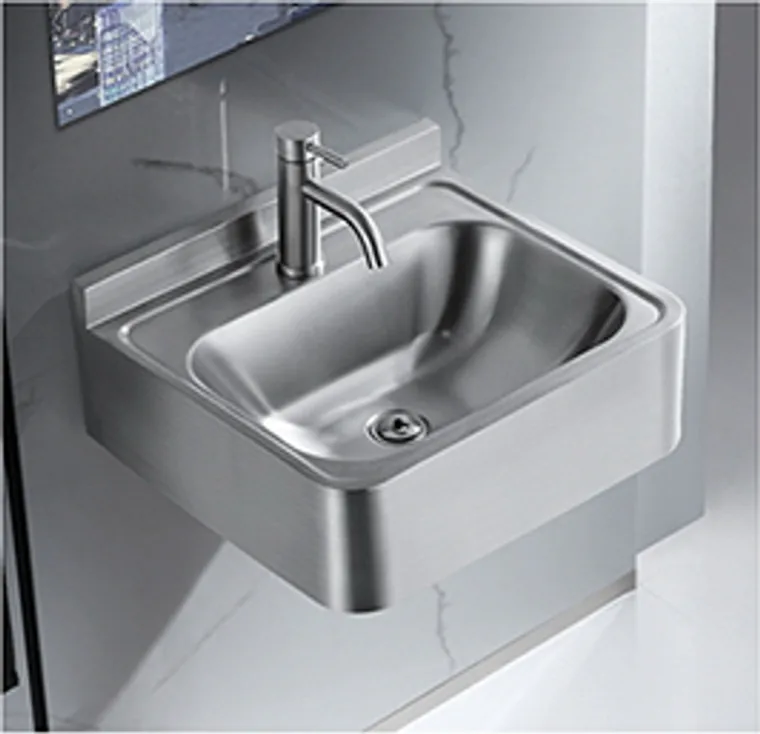
For model-level comparison, buyers can review the 8201 stainless steel hanging basin, the 8101 stainless steel urinal and the 8001 stainless steel squatting pan. These references help the project team discuss dimensions and connection points instead of speaking only in generic product names.
A clean specification package should include model numbers, dimensions, finish requirement, planned quantity, wall or floor condition and any custom request. That information makes the first quotation more useful and reduces follow-up questions.
Use related buying guides to close gaps
Public restroom projects often need cross-category review
A specification rarely ends with one fixture type. If the project is still comparing material options, read the stainless steel versus ceramic sanitary ware comparison. If the site is a station, campus or stadium, the high-traffic stainless steel bathroom products guide can help prioritize fixture families.
When the project includes urinals, the commercial stainless steel urinals guide gives a more focused review of wall-hung, trough and custom options. For drawings or non-standard dimensions, compare the custom stainless steel sanitary ware process.
After the schedule is clear, contact Honze Stainless Steel Products for project requirements with the fixture list, model numbers, dimensions and quantities so the discussion can move from general selection to a project quotation.
Tender review points before final approval
Convert the article guidance into a purchasing checklist
Before the public restroom fixture schedule is approved, the project team should compare every selected model against the same written checklist. The useful checklist is not a marketing description; it is a decision record that shows why the fixture fits the building, who will install it and how it will be maintained after handover.
The architect, contractor and purchasing team should review fixture schedule, drainage plan and installation surface together. If one party checks only appearance and another checks only price, important conflicts can be missed. A basin, urinal, toilet fixture or service sink should be accepted only after the team has confirmed the installation surface, drainage route, cleaning access and replacement path.
For B2B procurement, this review also protects communication with suppliers. A request that includes duty level, model reference, quantity, finish, dimensions and site condition is easier to quote than a request based only on a product photo. It also gives the buyer a written basis for comparing alternative models without changing the project intent.
Common procurement mistakes to avoid
Most problems come from missing site details
A common mistake is asking for a fixture price before the installation condition is known. That creates a weak comparison because the cheapest option may require extra site work, harder cleaning or faster replacement. The buyer should treat mixed user traffic, wet cleaning and repeated daily use as part of the commercial comparison, not as an afterthought.
Another mistake is mixing standard and custom requirements in the same line item. If one restroom zone needs a standard product and another needs custom dimensions, separate them in the purchase schedule. This helps the supplier review each product clearly and helps the buyer track which items depend on drawings, site measurements or finish approval.
Buyers should also avoid assuming that one successful model can be copied across every restroom area. Public zones, staff zones, service rooms, outdoor blocks and high-risk rooms may need different fixture families. A careful schedule may take longer to prepare, but it usually prevents expensive changes after plumbing, walls or counters are already completed.
Handover and maintenance questions
The product must still make sense after installation
Before final order confirmation, ask how the maintenance team will clean the installed fixture, inspect the drain or fittings and replace connected parts. If the answer requires removing surrounding finishes or reaching into hidden gaps, the project may need a different model or a small change to the installation detail.
The handover package should record model numbers, finish, quantities, installed locations and any custom dimensions. This information helps future maintenance teams order the right replacement or compare similar fixtures later. It is especially useful when the same project uses several basin, urinal, toilet or service sink formats.
A practical final check is to walk through one typical user day and one typical cleaning shift. If the fixture supports both without creating obvious access problems, it is more likely to perform well in real project use. That field-level thinking is often more valuable than adding another decorative feature to the specification.
Related Categories
Request a Quote
Looking for stainless steel sanitary ware for a commercial bathroom or public restroom project? Contact Honze Stainless Steel Products to discuss product models, dimensions, finishes and custom requirements.
Request a Quote for Your Commercial Bathroom ProjectRelated Products
Product models mentioned for project comparison
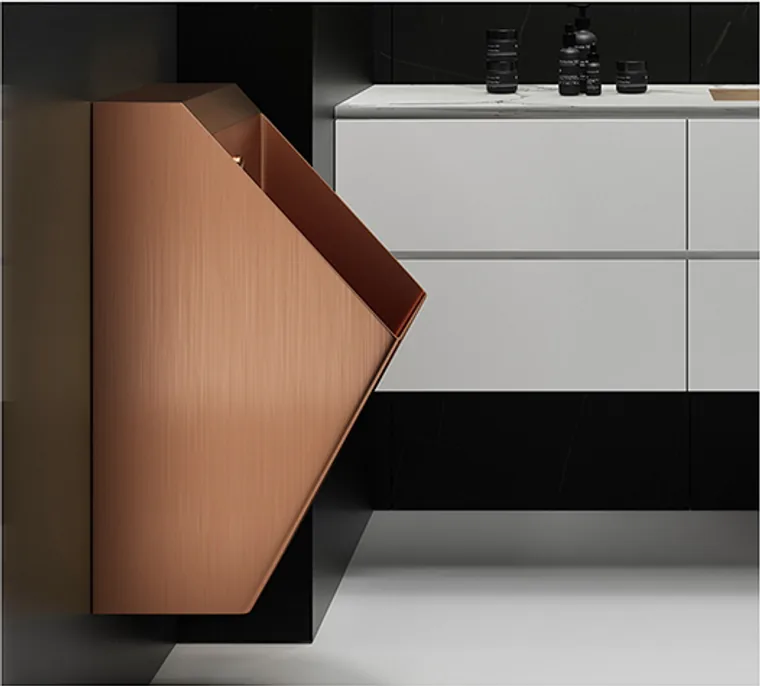
8101 Gold Outdoor Urinal
295 × 300 × 400 mm
Model 8101 is a 295 x 300 x 400 mm stainless steel urinal using a outdoor form for project washroom specification and for drawing-based project review.
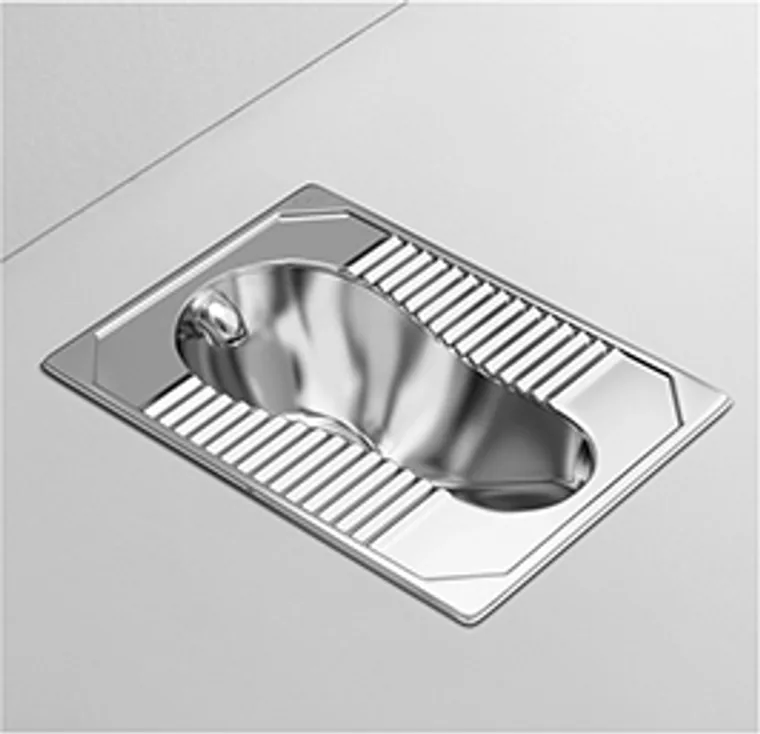
8001 Stainless Steel Silver Wide Bowl Squatting Pan
Custom size / see drawing
Model 8001 is a project-ready wide bowl stainless steel squatting pan for public toilet and commercial restroom projects, with finish coordination available for shopping mall washrooms.
8201 Silver Vandal Resistant Wall Hung Basin
500 × 412 × 150 mm
Model 8201 is a project-ready vandal resistant stainless steel wall hung basin for compact public wash areas, with finish coordination available for distributor product selection.
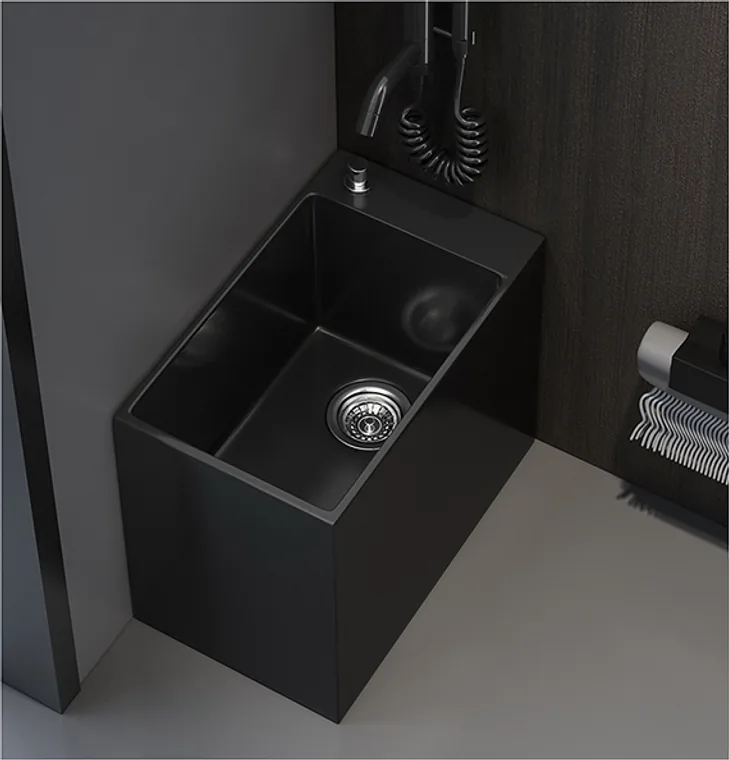
TBC1 Gold Thin-Rim Mop Sink
Custom size / see drawing
Model TBC1 uses a thin-rim stainless steel mop sink body with gold surface treatment for commercial cleaning areas and janitor rooms and for outdoor service zones.
Related Articles
More buying guides for this topic
Buying Guides
Commercial Restroom Fixtures: Why Stainless Steel Is a Practical Choice
Commercial restroom fixtures are specified for public areas where daily traffic, moisture and frequent maintenance make material choice important.
Buying Guides
Stainless Steel Restroom Fixtures for Durable Public Bathroom Design
Public bathroom design usually starts with layout and cleaning workflow, then moves into fixture material, mounting structure and finish selection.
Buying Guides
Best Stainless Steel Bathroom Products for High-Traffic Facilities
Airports, schools, malls, stadiums and parks need restroom products that can handle constant moisture, cleaning, queue pressure and repeated public use.
FAQ
What should be included in a public restroom sanitary ware specification?
Include fixture type, model reference, dimensions, material and finish requirement, installation method, drainage position, quantity and any custom size or anti-vandal requirement.
Is stainless steel sanitary ware only for correctional facilities?
No. It is also used in schools, hospitals, transport hubs, parks, stadiums and commercial buildings where moisture resistance, cleaning access and repeated use matter.
Should buyers choose wall-hung or floor-standing fixtures?
The answer depends on wall strength, plumbing layout, cleaning access and project design. Wall-hung products can save floor space, while floor-standing products may suit layouts that need stronger visible support.
How can buyers avoid ordering the wrong model?
Confirm the site layout, drainage center, installation surface, finish, quantity and maintenance access before finalizing the purchase request.