Procurement · 2026-09-21 · 9 min read
Calculating the Lifecycle Cost of Stainless Steel Sanitary Ware
The unit price is visible on day one. Labor, closures, replacement access and cleaning time arrive in smaller amounts for years, which is why they are easy to omit from a comparison.

Article Topics
Build the comparison from the installed fixture
A low purchase price can be offset by special brackets, wall changes, difficult plumbing or repeated adjustments. Start the lifecycle calculation with delivered and installed cost: fixture, fittings, packing, freight, site handling, supports, connections, testing and making good.
Use the same scope for every option. If one quotation includes brackets and another does not, the unit prices are not comparable. Note assumptions beside each number so the project team can update the model when details change.
For custom products, include drawing, sample and approval effort. Those costs may be justified by a better fit or reduced site work, but they should be visible.
Cleaning minutes become an operating cost
Facilities with many fixtures repeat the same cleaning action thousands of times. A hidden ledge, tight wall gap or finish that shows every water mark can add minutes to each shift. Measure a representative cleaning task during a mock-up instead of assigning a vague maintenance score.
Multiply the realistic time difference by fixture count and cleaning frequency. Keep wage assumptions in the facility's own cost model; the important point is to expose the repeated task, not to invent a universal labor rate.
The cleaning and maintenance guide can help define the steps that should be timed.
Price downtime as well as the repair part
A replacement trap may be inexpensive, yet the repair can be costly if a wall must be opened or an entire washroom closed. Record how services are isolated, how panels open and whether common components can be removed with standard tools.
Public venues may value availability during peak periods more than the price of a small part. Schools and workplaces may be able to schedule work outside occupied hours, but labor premiums or access controls can still apply.
Use the service chase planning guide to examine the maintenance path behind the visible fixture.
Model realistic damage and replacement risk
Different rooms have different failure patterns. A supervised office washroom, outdoor public toilet and correctional cell should not share one damage assumption. Use the site's history where available: what breaks, how often and what part of the repair drives cost.
A durable stainless steel body may reduce breakage risk in demanding settings, but installation details and replaceable fittings still matter. Ask whether a damaged component can be changed separately or whether the complete fixture must be removed.
Include lead time and spare strategy. A low-frequency custom item may justify holding a critical spare, while a common fitting may be sourced as needed if its specification is recorded.
Use ranges instead of a false precise answer
Lifecycle cost is a decision model, not a promise. Test a base case and at least one higher-use or higher-damage case. If one option wins only under a narrow assumption, the team should know that before award.
Record the study period, fixture count, cleaning frequency, replacement assumptions and costs excluded from the model. Review actual performance after occupancy and feed that evidence into the next project.
For a model schedule suitable for comparison, contact Honze with quantities, installation conditions and expected duty. The supplier can clarify product scope; the buyer should apply local labor and operating costs.
Related Categories
Request a Quote
Looking for stainless steel sanitary ware for a commercial bathroom or public restroom project? Contact Honze Stainless Steel Products to discuss product models, dimensions, finishes and custom requirements.
Request a Quote for Your Commercial Bathroom ProjectRelated Products
Product models mentioned for project comparison
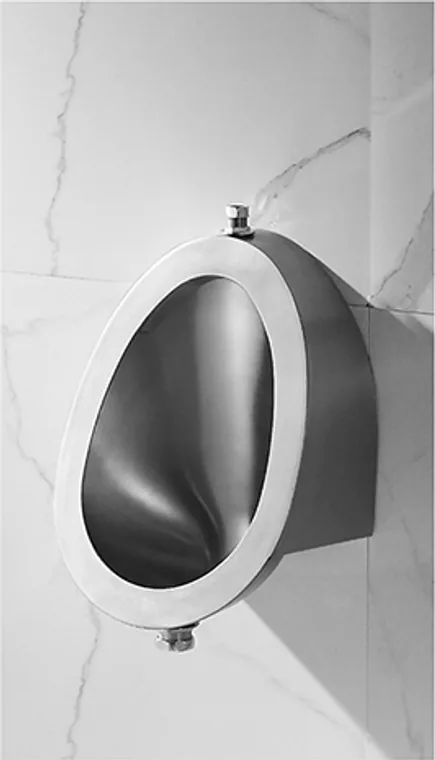
8102 Gold Heavy-Duty Urinal
Custom size / see drawing
Model 8102 is a project-ready heavy-duty stainless steel urinal for commercial public restrooms, with finish coordination available for contractor specification lists.
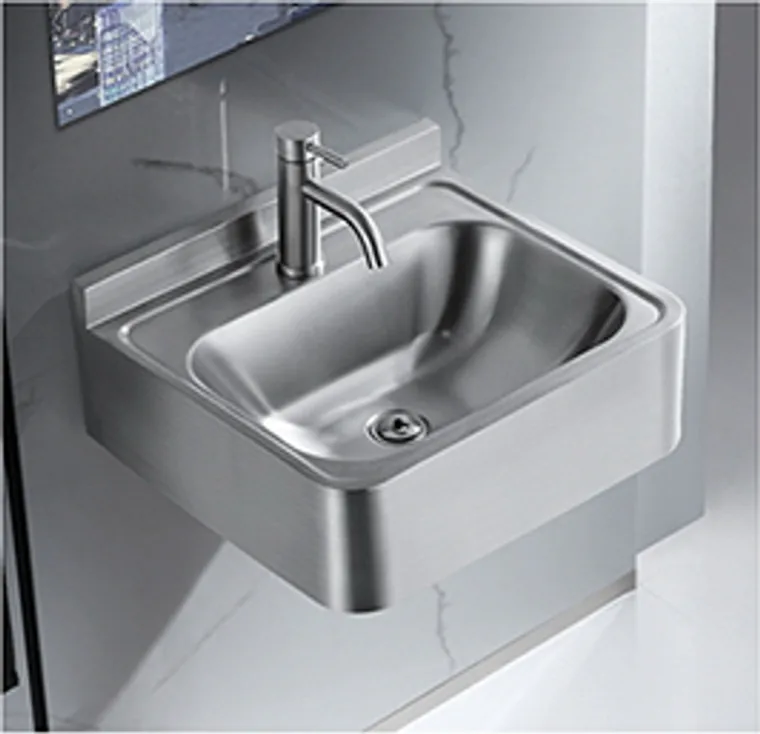
8201 Silver Vandal Resistant Wall Hung Basin
500 × 412 × 150 mm
Model 8201 is a project-ready vandal resistant stainless steel wall hung basin for compact public wash areas, with finish coordination available for distributor product selection.
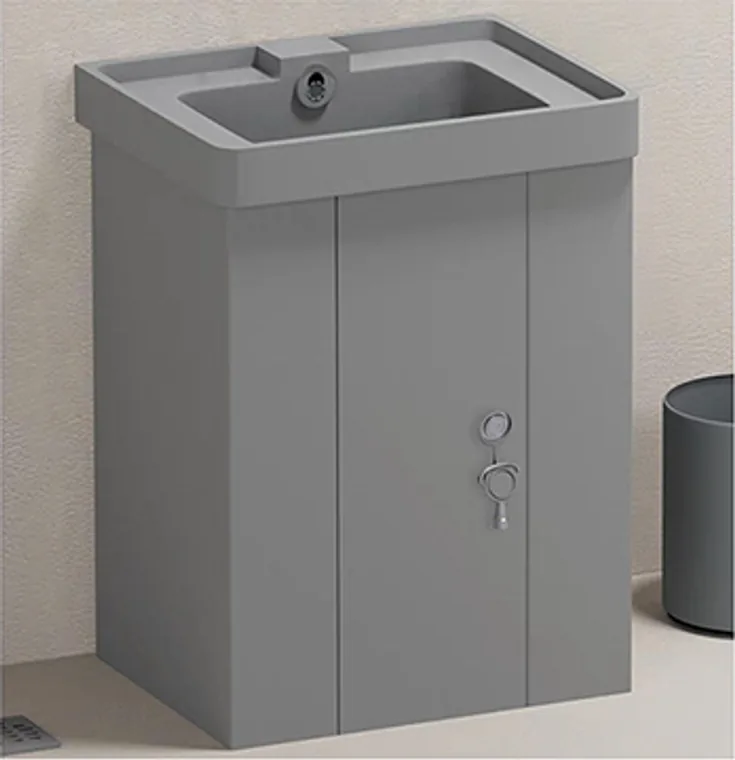
G-1 Stainless Steel Silver Round Prison Bathroom Fixture
Custom size / see drawing
Model G-1 uses a round stainless steel prison bathroom fixture body with stainless steel silver surface treatment for correctional facilities and detention centers and for multi-unit restroom programs.
Related Articles
More buying guides for this topic
Maintenance
How to Clean and Maintain Stainless Steel Restroom Fixtures Without Damaging the Finish
Most stainless steel care problems come from what is left on the surface: concentrated cleaner, dirty rinse water, abrasive grit or a cloth that moves contamination from one fixture to the next.
Installation Planning
Service Chase Planning for Stainless Steel Restroom Fixtures
A service chase is successful when a technician can identify, isolate and reach the right component without closing more of the restroom than the repair requires.
Buying Guides
Best Stainless Steel Bathroom Products for High-Traffic Facilities
Airports, schools, malls, stadiums and parks need restroom products that can handle constant moisture, cleaning, queue pressure and repeated public use.
FAQ
What belongs in sanitary ware lifecycle cost?
Include delivered and installed cost, cleaning, planned maintenance, repairs, downtime, replacement, access work and disposal where relevant.
How can cleaning cost be estimated?
Time a realistic cleaning sequence on a sample or comparable fixture, then apply the facility's own frequency, fixture count and labor assumptions.
Why include downtime?
A small repair can have a large operational effect when it closes multiple fixtures or requires restricted-hours access.
Should lifecycle cost use one exact forecast?
No. Use documented assumptions and compare scenarios so decision-makers can see which variables change the result.