Installation Planning · 2026-09-22 · 8 min read
Service Chase Planning for Stainless Steel Restroom Fixtures
A service chase is successful when a technician can identify, isolate and reach the right component without closing more of the restroom than the repair requires.
Article Topics
Design from the maintenance side of the wall
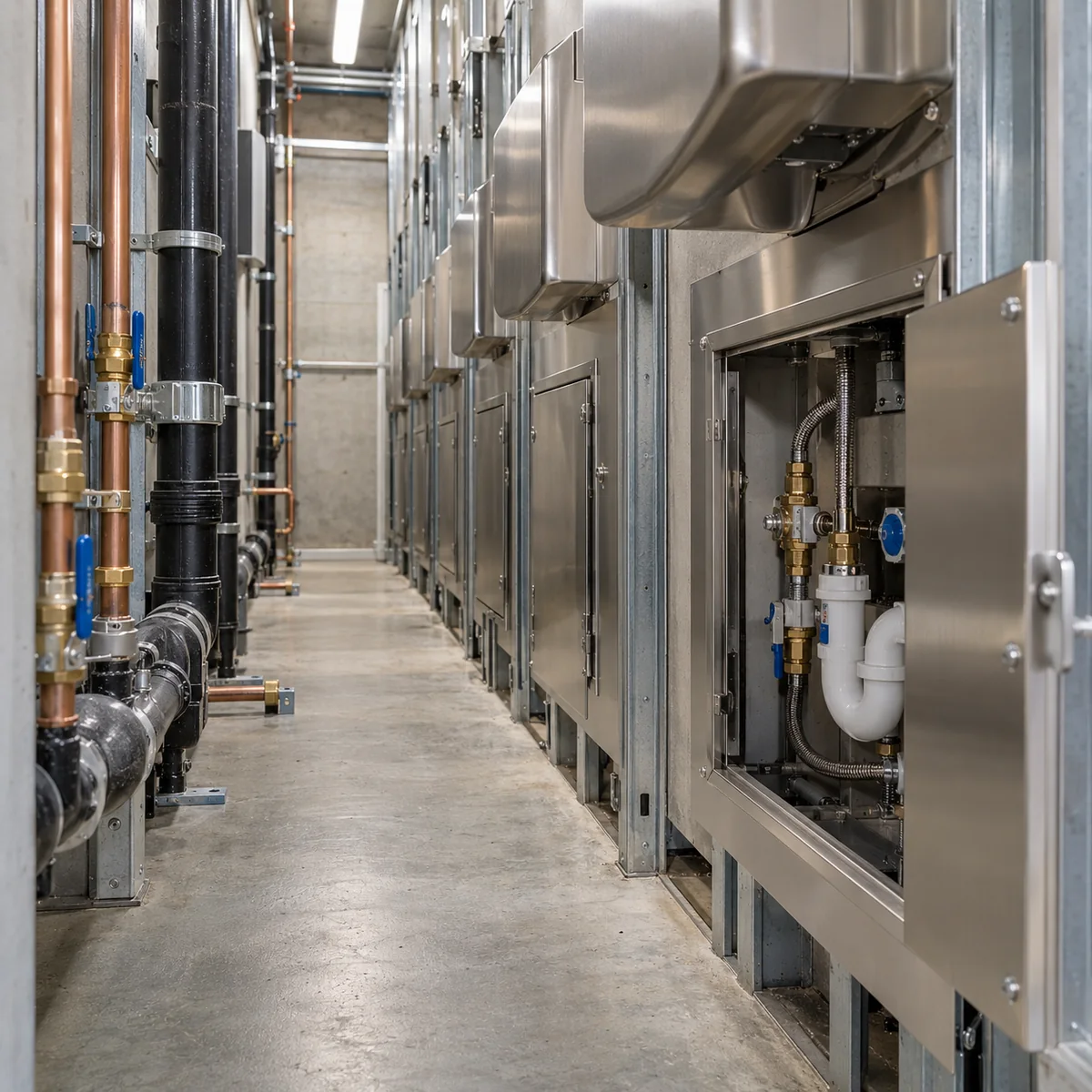
Restroom elevations show what users see. A chase plan should show what technicians must do: find the correct fixture, close its supply, remove a fitting, catch residual water and reinstall the component. If that sequence is impossible on the drawing, it will not improve after the wall is built.
Map each fixture to its supplies, flush control, waste and access opening. Use stable identifiers that appear in the asset record and on the room schedule. In a line of similar stainless steel fixtures, guessing which valve belongs to which unit wastes time and can interrupt the wrong area.
Keep the chase clear enough for inspection. Dense, overlapping services may fit in a coordinated model but still leave no route for hands or tools.
Size openings for the repair, not the photograph
An access panel can reveal a valve and still be too small to replace it. Consider tool length, hand position, component removal path and a safe place for the technician to stand. Check the largest expected service item, not only the smallest shutoff handle.
Panel location matters. A low opening behind a fixed obstruction may be unusable, while a large door can clash with pipes or another panel. Where secure panels are required, the locking method must remain practical for authorized maintenance.
For institutional applications, review the prison sanitary ware category alongside project-specific security requirements. Product selection and controlled service access need to be coordinated together.
Use isolation to limit operational disruption
A local isolation strategy can allow one basin or urinal to be serviced while neighboring fixtures remain available. The exact arrangement belongs to the plumbing design, but the procurement team should ask whether the chosen fixture and valve layout support the operational goal.
Place controls where they can be identified and operated without reaching across hot, sharp or contaminated surfaces. If a valve will sit behind insulation or another pipe, solve the conflict before installation.
Document normal positions and test isolation during commissioning. A valve that was never exercised may not help during the first urgent repair.
Coordinate hygiene, security and fire requirements
A chase is not simply unused space. Penetrations may require sealing, and surfaces may need to withstand occasional water. Access arrangements should follow the project's hygiene, security and fire strategy, with specialist review where required.
In secure environments, exposed fasteners and removable parts on the user side need particular attention. On the service side, technicians still need an efficient route. The solution should balance both sides rather than making maintenance impossible in the name of concealment.
Avoid storing unrelated materials in the chase. Clear access and good housekeeping make leaks and loose connections easier to spot.
Commission the chase as a working space
Open every panel, identify every service and carry out representative maintenance tasks before handover. Photograph the final arrangement and update drawings to reflect site changes. Labeling should remain legible in the real lighting conditions.
Give the facilities team keys, tools and supplier information needed for access. Include model numbers and replaceable component references where available. For more installation coordination, use the public restroom specification guide.
To coordinate fixture backs with a service wall, contact Honze with elevations, sections and connection requirements.
Related Categories
Request a Quote
Looking for stainless steel sanitary ware for a commercial bathroom or public restroom project? Contact Honze Stainless Steel Products to discuss product models, dimensions, finishes and custom requirements.
Request a Quote for Your Commercial Bathroom ProjectRelated Products
Product models mentioned for project comparison

8110 Gold Wall-Hung Urinal
Custom size / see drawing
Model 8110 is a project-ready wall-hung stainless steel urinal for commercial public restrooms, with finish coordination available for janitor room coordination.
8204 Silver Anti-Ligature Wall Hung Basin
480 × 410 × 40 mm
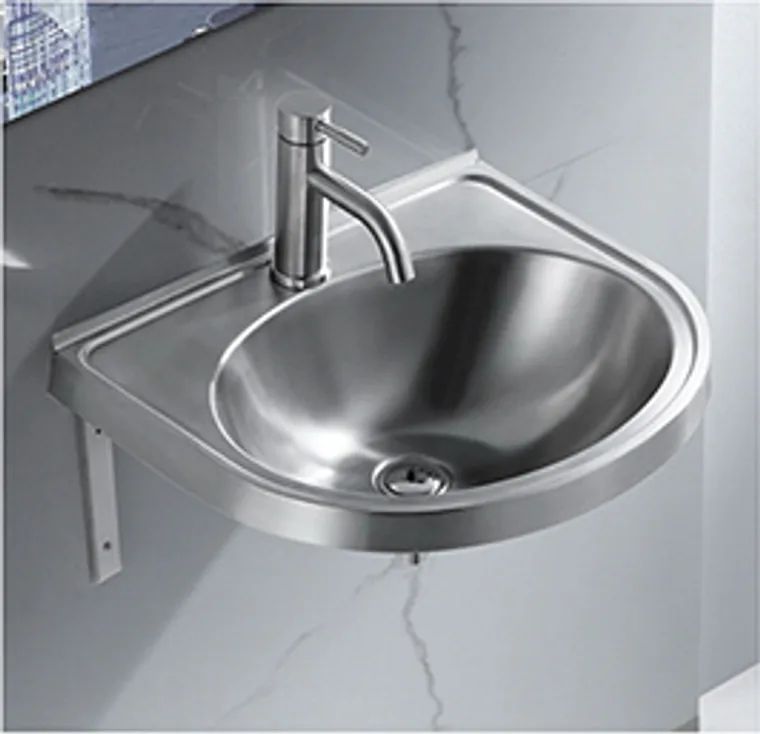
Model 8204 is a silver anti-ligature stainless steel wall hung basin sized 480 x 410 x 40 mm, suitable for compact public wash areas and for custom finish comparison.
G-1 Stainless Steel Silver Round Prison Bathroom Fixture
Custom size / see drawing
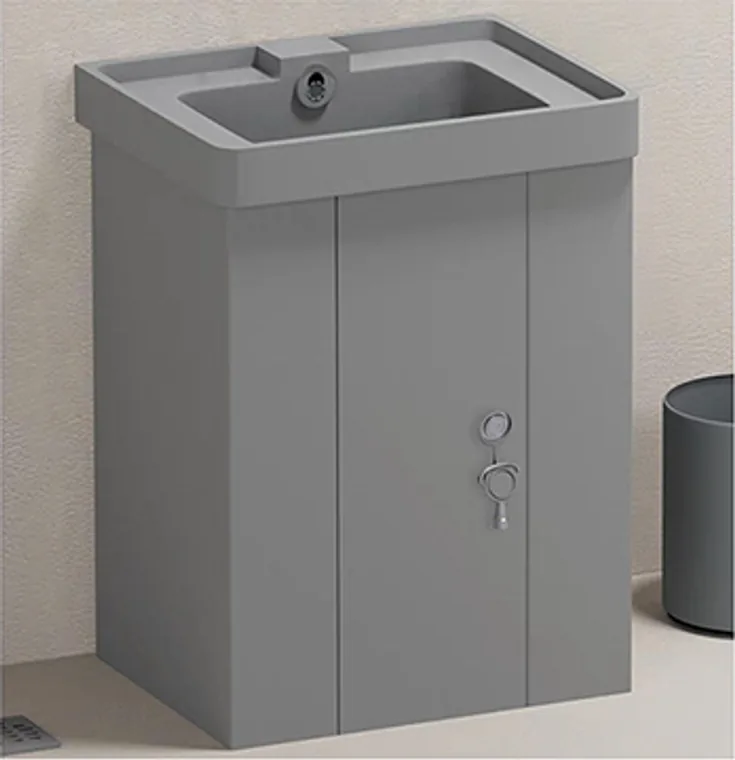
Model G-1 uses a round stainless steel prison bathroom fixture body with stainless steel silver surface treatment for correctional facilities and detention centers and for multi-unit restroom programs.
Related Articles
More buying guides for this topic
Prison Sanitary Ware
Stainless Steel Prison Bathroom Fixtures: Safety, Durability and Maintenance
Correctional facility bathroom fixtures should be reviewed for safety, tamper resistance, cleaning access, maintenance control and long-term durability.
Installation Planning
Wall-Mounted Stainless Steel Basin Installation: Backing, Brackets and Service Access
The basin is the visible part of the installation; the wall behind it carries the load. Successful coordination happens before tile and access panels close that structure.
Buying Guides
How to Specify Stainless Steel Sanitary Ware for Public Restroom Projects
Public restroom specification should connect fixture type, wall support, drainage position, cleaning access and expected traffic before a model is confirmed.
FAQ
What is a restroom service chase?
It is a dedicated space behind or beside fixtures that houses plumbing and provides controlled access for inspection and maintenance.
How large should an access panel be?
It should suit the required tools, hands and component removal path, subject to the project's wall, security and fire requirements.
Why use local isolation valves?
They can reduce downtime by allowing one fixture or group to be serviced without shutting the entire restroom supply.
What should be checked at handover?
Open panels, identify services, test isolation, verify safe access, record final conditions and provide keys and maintenance information.