Quality Control · 2026-09-25 · 9 min read
How to Approve a Stainless Steel Sanitary Ware Sample Before Mass Production
A sample is useful only when the team agrees what it proves. One basin cannot confirm mass-production consistency, but it can settle dimensions, finish, interfaces and workmanship before repetition makes an error expensive.
Article Topics
Define the questions before ordering the sample
A pre-production sample should answer named questions. Is the bowl deep enough? Does the brushed grain match the design intent? Can the waste be fitted with the available clearance? If the review brief says only 'check sample,' different people will look at different details and assume someone else covered the rest.
Create an approval sheet from the purchase specification and drawing. Separate measurable requirements from visual judgments. Dimensions, hole positions and fitting interfaces can be recorded with numbers; finish tone and edge appearance need an agreed reference and consistent viewing conditions.
State whether the sample is functional, visual or both. A visual finish coupon cannot prove drainage, while a fabrication prototype made from substitute material may not represent the final color.
Review the sample with the objects around it
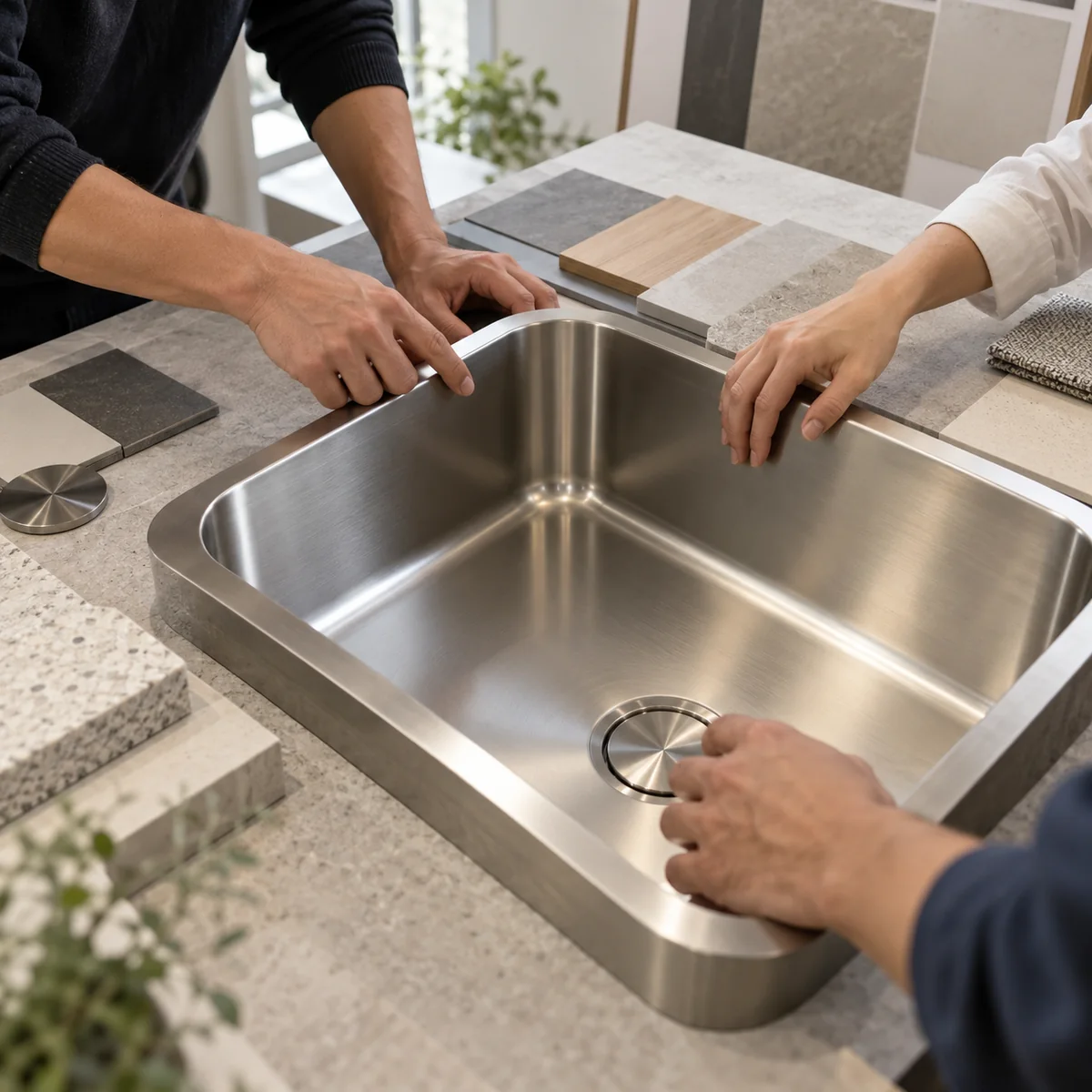
A basin should not be approved in isolation when it must fit a counter, faucet, waste, bracket or wall panel. Bring the real mating parts where possible, or use controlled templates. Check reach, clearances and access with the assembly in its intended orientation.
For wall and floor fixtures, review the support and service route. The sample may match its drawing yet conflict with the building frame. For counters, verify the cut-out from the actual sample rather than scaling a presentation image.
The rough-in measurement guide provides a coordination sequence for water, waste, backing and finished surfaces.
Test use, drainage and cleaning access
If the sample is intended to be functional, test it in a safe mock-up. Observe water movement, splash, drainage and the space needed around controls. A dry visual review cannot reveal whether a flat area holds water or a rim directs splash toward the user.
Wipe the sample with the proposed maintenance tools. Check tight corners, undersides and joints. The purpose is not to age the finish in one meeting, but to discover whether routine cleaning can reach the areas that will become dirty.
For high-risk or institutional products, include the responsible safety reviewer. Anti-ligature and vandal-resistant requirements should be assessed against the project brief by qualified parties, not inferred from the product name alone.
Record deviations in plain language
Mark each point approved, rejected or approved with a stated correction. Avoid notes such as 'make better' or 'as discussed.' Write the feature, location, required change and responsible party. Add photographs with arrows and a scale where they clarify the issue.
If a deviation is accepted, record its consequence. A changed outlet may require a revised plumbing drawing; a deeper bowl may affect knee clearance or the cabinet. Send the updated sheet to every discipline that relies on the dimension.
Do not sign the physical sample and forget the drawing. The final drawing revision and approval record should match the object that will be used as the reference.
Control the reference after approval
Protect and label the approved sample with project, model, finish, drawing revision and approval date. Record who holds it and whether it may be disassembled. Finish coupons should be stored away from abrasion and direct contamination.
The sample sets a reference; it does not replace production inspection. Batch checks still need quantities, tolerances and acceptance rules. Use the fabrication quality inspection guide to build those checks.
To plan a sample for a custom project, send Honze the drawing, intended use and exact approval questions.
Related Categories
Request a Quote
Looking for stainless steel sanitary ware for a commercial bathroom or public restroom project? Contact Honze Stainless Steel Products to discuss product models, dimensions, finishes and custom requirements.
Request a Quote for Your Commercial Bathroom ProjectRelated Products
Product models mentioned for project comparison
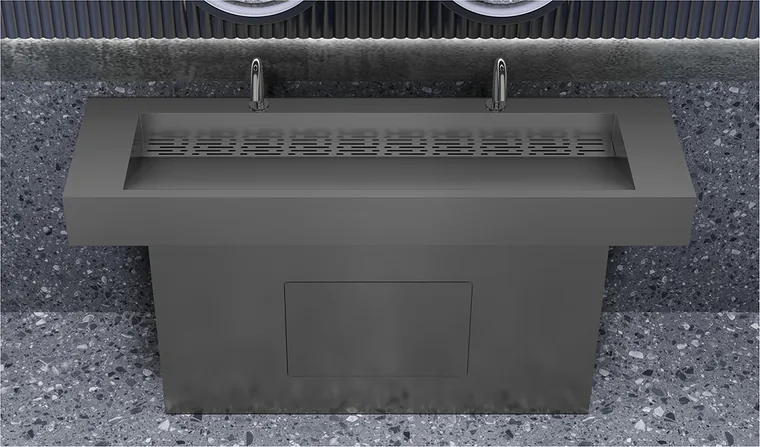
customized pedestal-01 Gold Heavy-Duty Custom Pedestal Basin
Custom size / see drawing
Model customized pedestal-01 uses a heavy-duty stainless steel custom pedestal basin body with gold surface treatment for custom commercial bathroom projects and for public facility procurement.
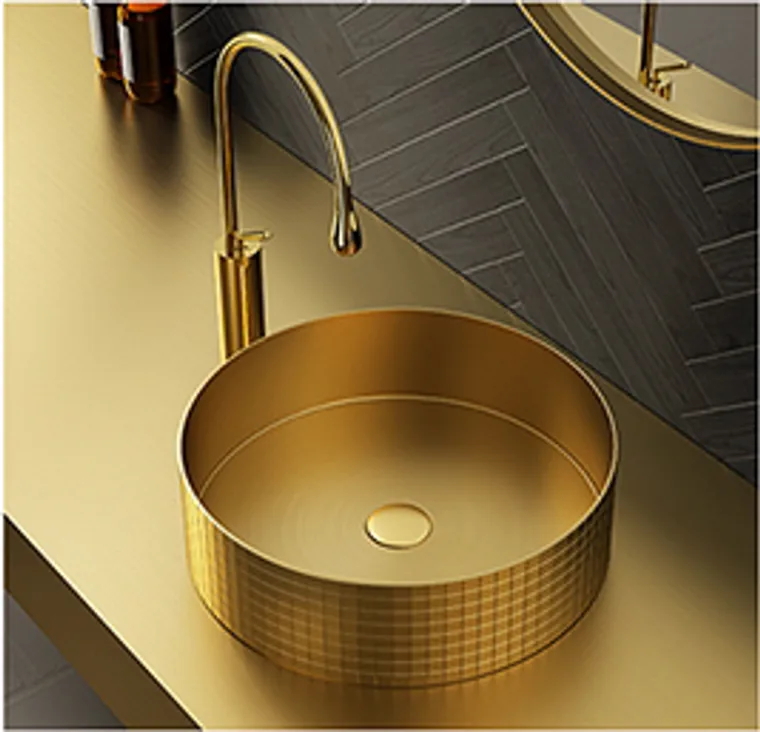
8802-1 Gold Anti-Ligature Countertop Basin
400 × 400 × 130 mm
Model 8802-1 is a 400 x 400 x 130 mm stainless steel countertop basin using a anti-ligature form for project washroom specification and for transport hub restrooms.
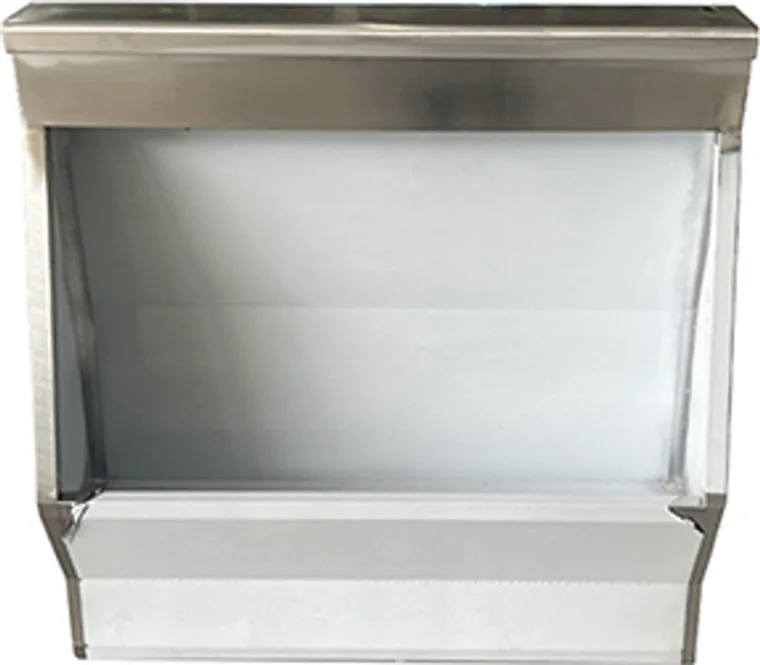
8112 Gold Textured Custom Urinal
Custom size / see drawing
Model 8112 is a Custom size / see drawing stainless steel custom urinal using a textured form for project washroom specification and for waste area coordination.
Related Articles
More buying guides for this topic
Custom Projects
Custom Stainless Steel Sanitary Ware: From Drawing to Project Use
Custom stainless steel sanitary ware should move from drawing to quotation through clear dimensions, finish, installation, quantity and project use cases.
Quality Control
How to Inspect Stainless Steel Sanitary Ware Fabrication Quality
A polished face can make a fixture look finished while the details that control drainage, strength and installation remain out of view. Inspection needs a sequence, not a quick glance.
Installation Planning
Rough-In Measurements for Stainless Steel Sanitary Ware: What to Confirm Before Production
A rough-in drawing is the meeting point between the fixture, the wall and the plumbing. If any one of those is measured from a different reference, the error appears on site.
FAQ
What is a golden sample?
It is an identified approved sample kept as a physical reference for agreed shape, workmanship and finish during production inspection.
Can a finish coupon replace a complete sample?
It can approve color or surface direction, but it cannot confirm assembly, drainage, fit or installation interfaces.
Who should attend sample approval?
Include the parties responsible for design, installation, procurement, operation and specialist safety requirements where applicable.
Does sample approval replace batch inspection?
No. It establishes a reference, while production still needs an agreed sampling and acceptance plan.